Open Access
Open access publiceren? Kijk welke afspraken er zijn met uitgevers. Een aantal uitgevers publiceert alles in OA. Of wilt u publiceren in de eigen universitaire repository? Voor hulp en informatie heeft elke universiteit een contactpunt.
@Open_access
Open Access Journal Browser
Actueel
Wat betekent open access voor u?
Stand van zaken
2022
2021
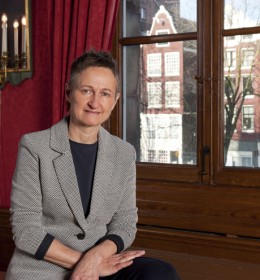
"Publiek gefinancierd onderzoek moet voor iedereen toegankelijk zijn. Tegelijk bestaan in veel domeinen van wetenschap waardevolle publicatiekanalen die niet op een zakelijk verdienmodel zijn gebaseerd. We moeten dus samen zorgen dat het uitgangspunt van Open Access over de hele breedte van de wetenschap gerealiseerd kan worden met inachtneming van relevante verschillen."
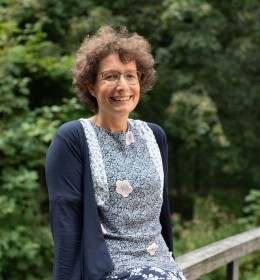
“Leren, waarin je onderzoek doet, is geen traject dat eindigt met het afronden van een schoolopleiding, het gaat een leven lang door. De KB ondersteunt daarom open access, vrij toegang tot wetenschappelijke publicaties voor leerkrachten, zorgprofessionals, en ieder ander die toegang nodig heeft voor persoonlijke of professionele ontwikkeling. De KB neemt de rol op zich om voor mensen die niet vanzelfsprekend toegang hebben tot wetenschappelijke informatie een gidsfunctie te vervullen.”

"Onderzoek doe je om de grenzen van het onbekende op te schuiven en antwoorden te vinden op wetenschappelijke en maatschappelijke uitdagingen. Dat is natuurlijk veel effectiever als je de resultaten drempelloos met de hele wereld kunt delen. Dat is het doel van open science. Als de COVID-19-pandemie in 2020 iets duidelijk heeft gemaakt, dan is het wel hoe belangrijk open science is. Alleen door de vereende krachten waarmee onderzoekers in 2020 wereldwijd samenwerkten en hun data en publicaties zo vroeg mogelijk deelden, was het mogelijk om binnen korte tijd een vaccin te ontwikkelen. Een fantastische illustratie van het belang en de relevantie van open science."
Deze website informeert academici over de voordelen van open access tot de resultaten van publiek gefinancierd onderzoek
Contact
Volg ons